A magician’s letters
Reflections on mysticism, magic, and occult philosophy


Reflections on mysticism, magic, and occult philosophy
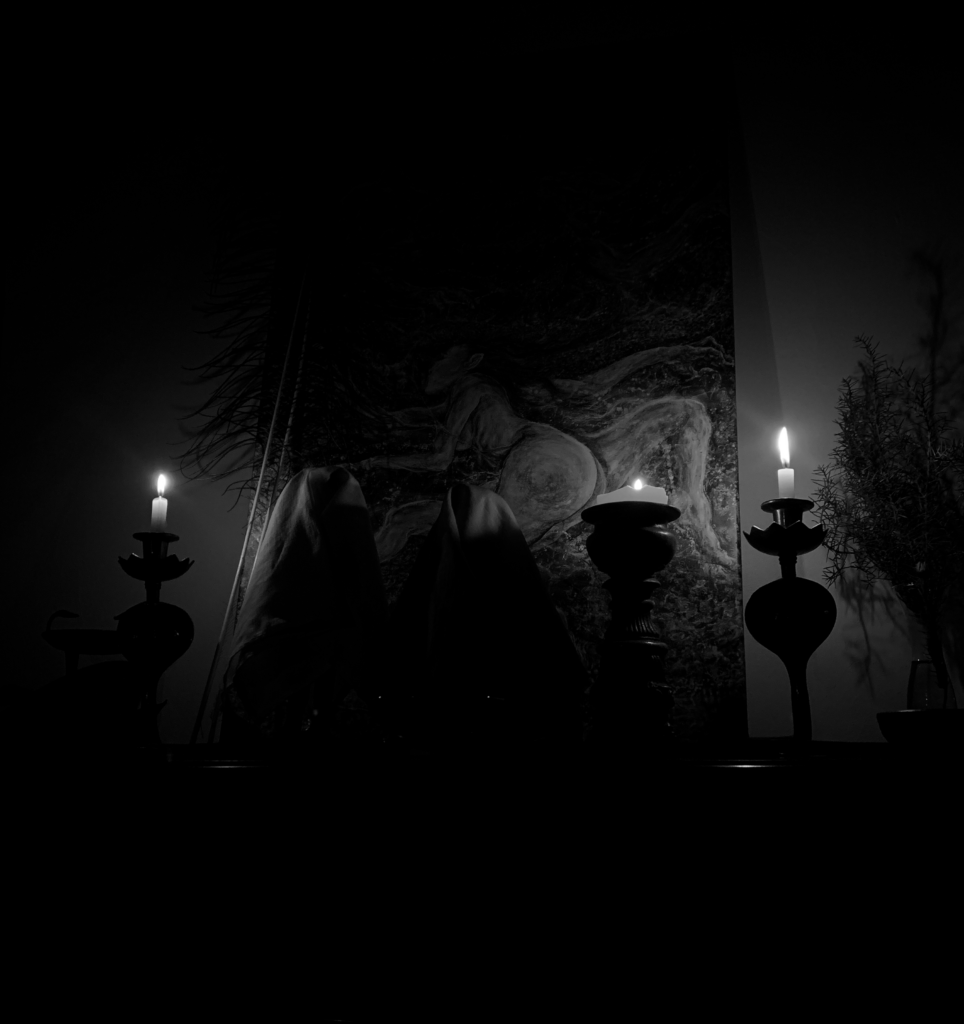
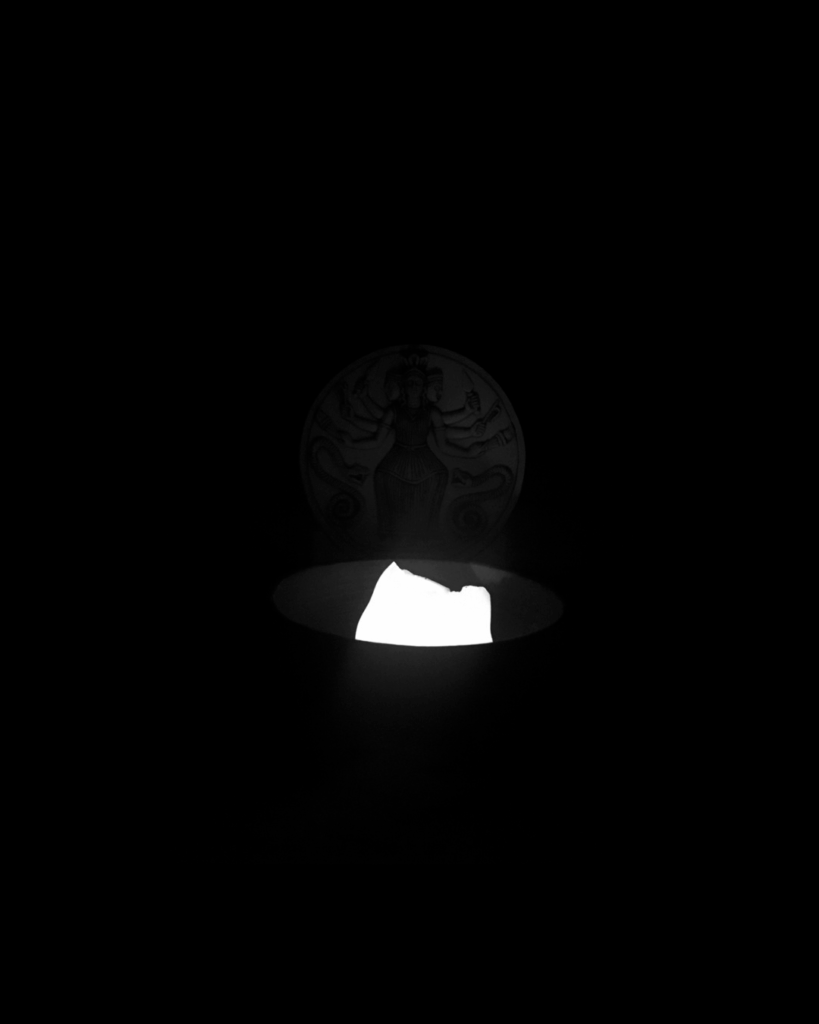
Due to the intensely personal nature of altars, these being a response to the interaction of the practitioner with Otherness, and at all times I am referring to the altars that can be built by a genuine practitioner of the Arte Magical, not a mere devotee, and the confusion between facing deities and spirits as a magician or as a religious person is another matter, the modern fondness for copying tendencies is surprising, ignoring not only territorial particularities, but also personal requests that the same Power has on different individuals, as long as they are capable of listening to it.
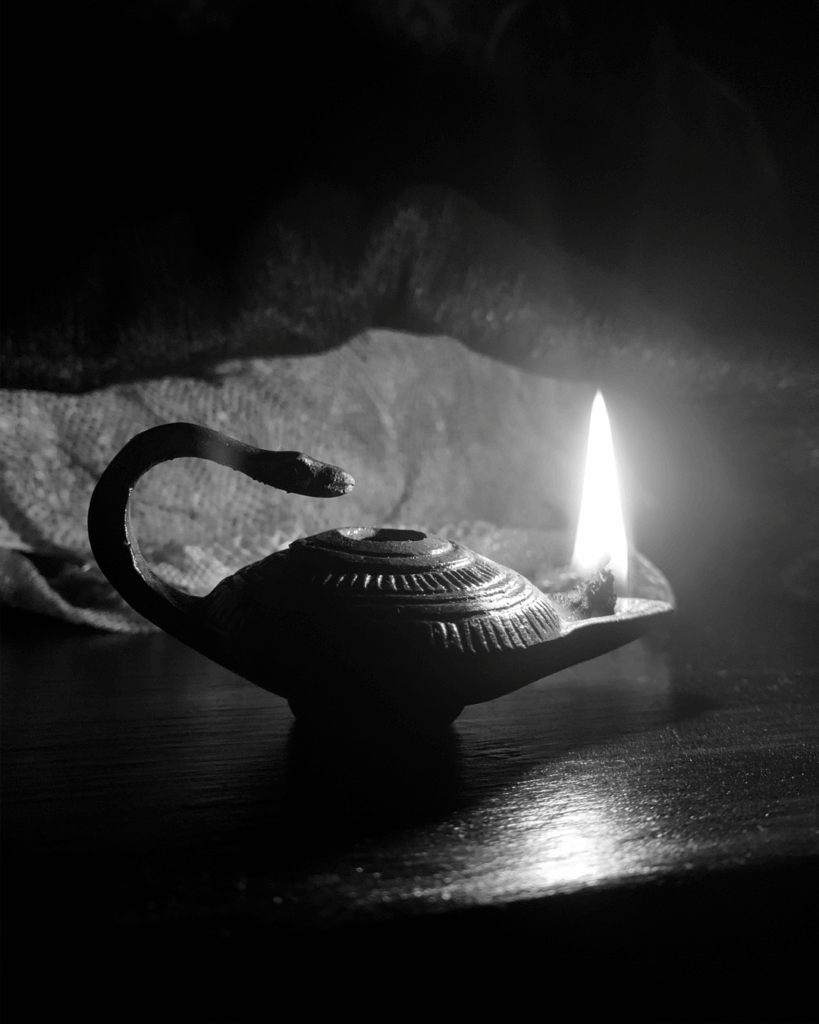
The Hieratic Art, understood as the sacred science, and gift, of the gods, is a hallowed craft, as its name suggests, steeped in a traditionalist, somewhat rural, and—I dare say, despite the scandal it might cause to some—conservative worldview. We have techniques, what I’ve called magical technology, e.g., wands, daggers, circles; these have been maintained, with very few modifications, for millennia. Although some external nuances may have changed due to cultural and geographical adaptations, they generally remain exactly the same, a testament to the effectiveness of such methods.
Although the figure of the priest can be presented simultaneously in the magician, and in fact under certain premises he could be considered a hierophant of the highest mysteries, not overlooking the fact that the old Persian mages, from where the word itself comes to us, were in turn priests of Ahura Mazda, his general and usual relationship with the deities is that of circumstantial alliance, for variable periods of time, from a few months to a certain number of years in specific instances, with even cycles of contact and silence in between.
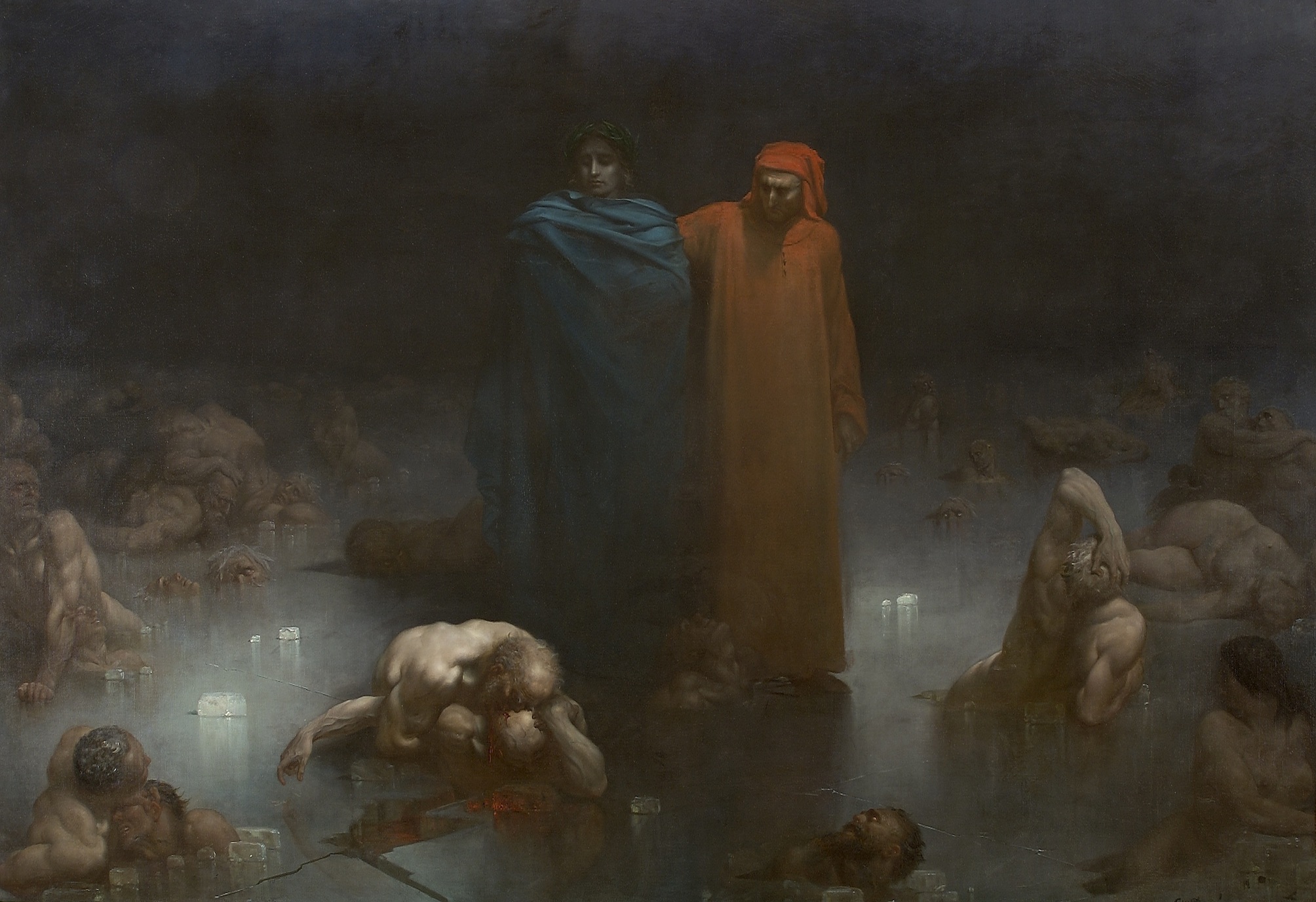
It is probably that heavy nostalgia, a peculiar sadness with dreamy nuances that is reflected in the eyes of the practitioner who has been a participant in the metaspiritual, the reason why such a lonely path is traditionally set under the rule of Saturn; the archetypal image of the planet, that of the gaunt old man with a long beard and sober clothing, becoming a template to characterize the figure of the mystic.
Man is his inner self, not the material possessions he acquires; although these undoubtedly form part of the image he wishes to project to the world, sometimes consciously and other times automatically, they are ultimately transient elements that, to paraphrase Borges, are unaware of the existence of their possessor. Such materialism, where the individual is defined by how many objects he possesses, was a constant debate among the Stoics, defenders of an austere life, where wealth and fame are insubstantial and only useful if they allow one to do good, as well as to live according to natural laws.